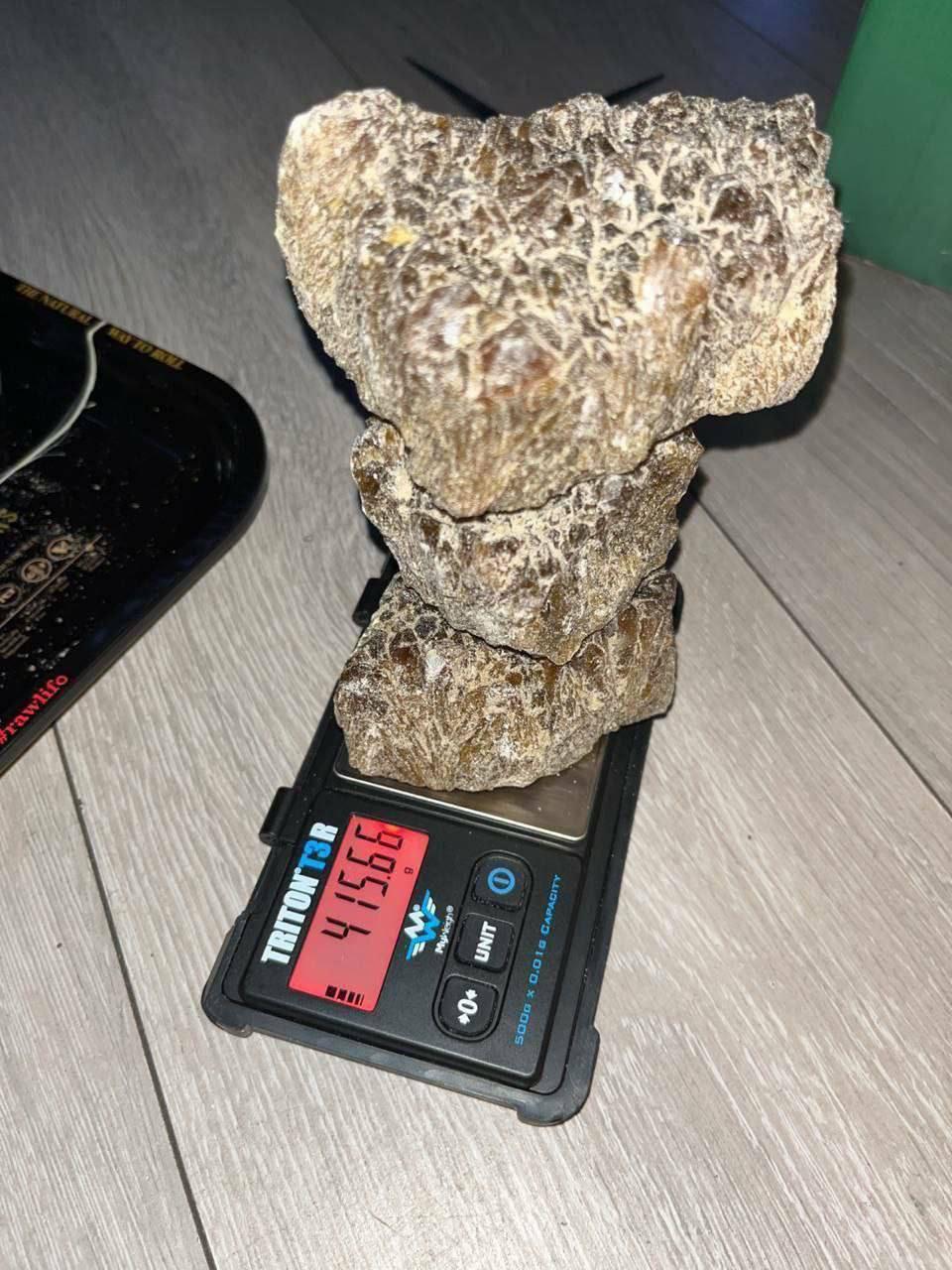
$90.00
Buy MDMA: empathogenic effects, PTSD therapy potential, risks, and legal status in United States, United Kingdom, Germany, Japan, China, Canada, France, Netherlands, Switzerland, Australia, Dubai, Finland, Austria. Focus on supervised use and research updates.
Buy MDMA
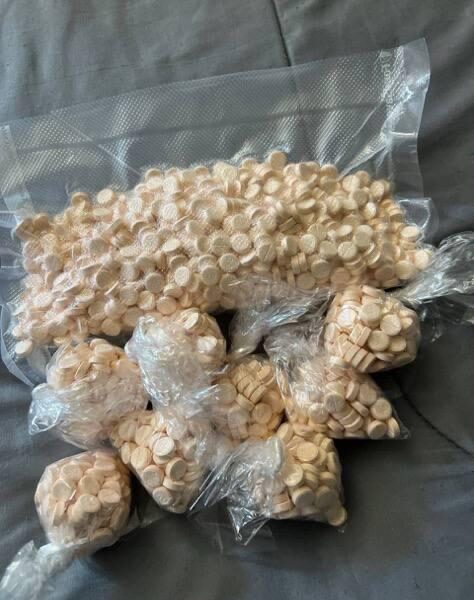
MDMA, or 3,4-methylenedioxymethamphetamine, commonly referred to as ecstasy or molly, is a synthetic psychoactive compound classified as an empathogen-entactogen. It profoundly enhances emotional empathy, sociability, euphoria, sensory perception, and feelings of connectedness while reducing fear and defensiveness. These effects stem from increased release of serotonin, dopamine, and norepinephrine, along with oxytocin modulation, making it historically popular in social environments and therapeutic exploration.
MDMA’s therapeutic potential shines in MDMA-assisted psychotherapy, particularly for PTSD, where it facilitates safe reprocessing of traumatic memories. Pioneering trials have shown lasting symptom reductions, with many participants achieving remission. While full regulatory approval faces hurdles in some regions, ongoing research continues to build evidence for its role in mental health innovation.
Risks associated with MDMA include cardiovascular effects (e.g., increased heart rate, hyperthermia), potential neurotoxicity from frequent high-dose use, serotonin syndrome when combined with certain substances, and variable purity in illicit sources—often adulterated with other compounds. Responsible use emphasizes set, setting, hydration, and moderation, ideally in supervised contexts.
Legally, MDMA is a controlled substance in most countries under international conventions. In the United States, it remains Schedule I federally (high abuse potential, no accepted medical use), with FDA declining approval for MDMA-assisted PTSD therapy in 2024 and requesting further trials—no change as of 2026. The United Kingdom (Class A), Germany (Anlage I, limited scientific use), France, Japan, China, Finland, Austria, and Dubai (UAE) prohibit non-medical possession, sale, or use with stringent penalties. Canada classifies it as Schedule I nationally, though British Columbia’s small-amount decriminalization pilot (including MDMA) expired January 31, 2026, ending exemptions. Australia stands out, allowing prescribed MDMA for PTSD by authorized psychiatrists under Schedule 8 since 2023, with ongoing supply via authorized channels and Authorised Prescriber Scheme imports. The Netherlands and Switzerland feature limited decriminalization for personal amounts or research/compassionate access, but broad prohibition persists.
MDMA represents both recreational allure and emerging clinical promise, but legality and safety demand caution and professional guidance. For those seeking natural psychedelic alternatives in wellness journeys, explore dried mushrooms, microdoses, experienced, and beginner-friendly categories at bigmagicmushroomsusa.com. Discover more resources and options at onlinepeptidesdelivery.com and WorldScientificImpact.org.