$30.00
Buy LSD: hallucinogenic effects, emerging GAD therapy research with MM120, risks, and strict legal status in United States, United Kingdom, Germany, Japan, China, Canada, France, Netherlands, Switzerland, Australia, Dubai, Finland, Austria. Focus on supervised trials and safety.
Buy LSD
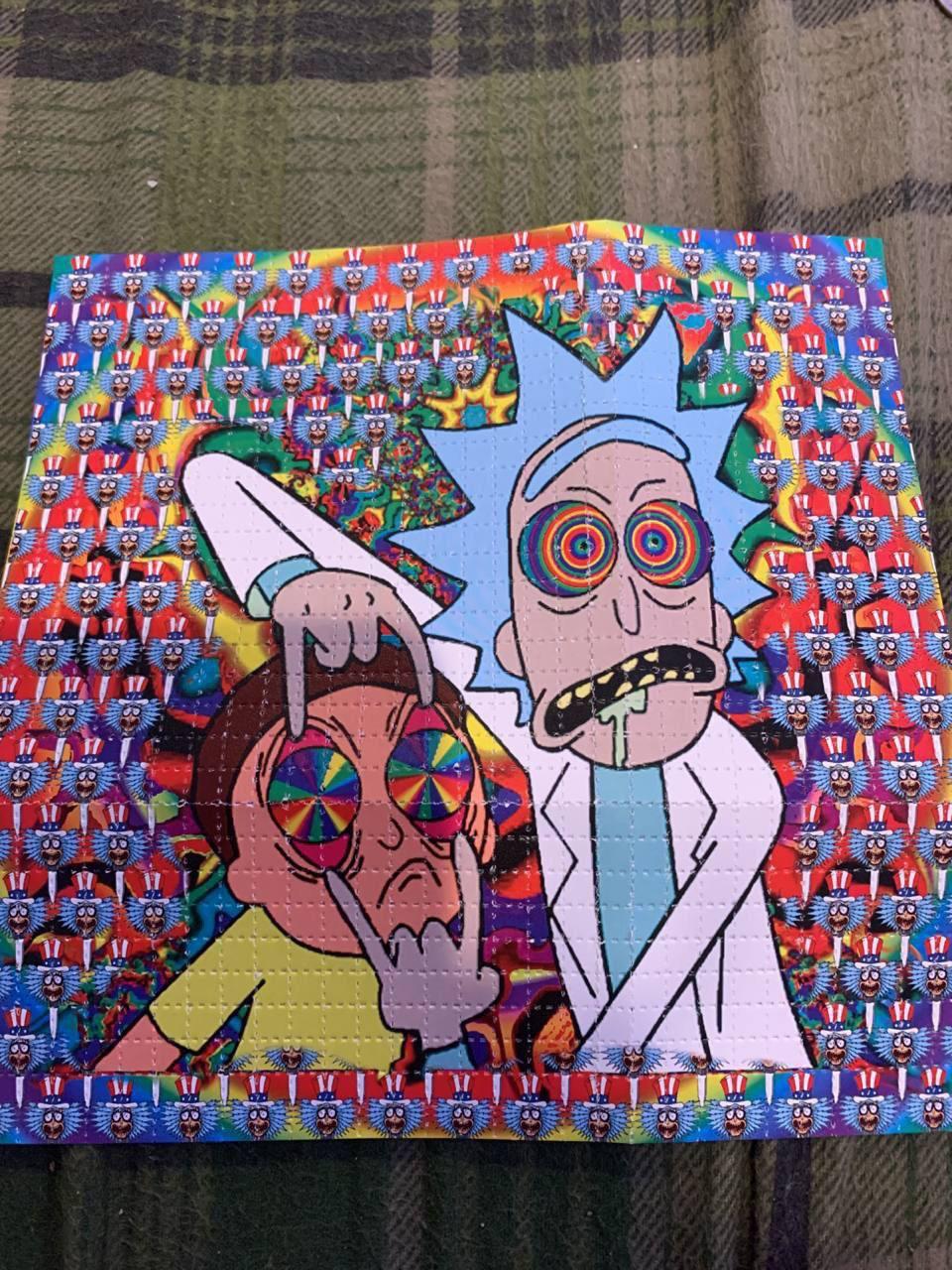
LSD (lysergic acid diethylamide), commonly called acid, is a powerful semisynthetic hallucinogen derived from ergot alkaloids, first synthesized in 1938 by Albert Hofmann. It produces intense alterations in perception, thought, mood, and consciousness, including vivid visual and auditory hallucinations, synesthesia, distorted sense of time, ego dissolution, and profound introspective experiences. Effects begin within 30-90 minutes, peak at 2-4 hours, and last 8-12 hours, with typical doses ranging from 50-200 micrograms on blotter paper, liquid, or microdots. LSD acts primarily as a serotonin 5-HT2A receptor agonist, disrupting default mode network activity and enhancing brain connectivity, which underlies its potential for therapeutic breakthroughs.
Historically used in 1950s-1960s psychiatric research for alcoholism, anxiety, and end-of-life distress, LSD research halted due to cultural stigma but revived in the 2000s. Modern studies focus on its promise for mental health. MindMed’s MM120 (lysergide d-tartrate, a proprietary LSD formulation) received FDA breakthrough therapy designation for generalized anxiety disorder (GAD). Phase 2b trials showed significant anxiety reductions with a single dose, and Phase 3 trials (e.g., Panorama and Voyage studies) are ongoing, with completion expected around 2026, evaluating long-term efficacy in GAD. Microdosing protocols explore benefits for mood, creativity, and focus without full psychedelia, though evidence remains mixed.
Risks include challenging “bad trips” leading to acute anxiety or paranoia, potential for hallucinogen persisting perception disorder (HPPD/flashbacks), psychological distress in vulnerable individuals, and rare physical dangers like accidents during altered states. No physiological dependence occurs, but set, setting, and informed use are crucial.
LSD remains strictly controlled globally under the UN Convention on Psychotropic Substances as Schedule I. In the United States, it’s a federal Schedule I substance (high abuse potential, no accepted medical use), with no broad decriminalization or therapeutic approval as of 2026—though research quotas support trials. The United Kingdom (Class A), Germany (Anlage I, scientific use only), France, Netherlands (decriminalized personal use in practice for some psychedelics but strict on LSD), Switzerland (limited research/compassionate access, negligible quantities decriminalized), Canada (Schedule III), Australia (Schedule 9 prohibited), Japan, China, Finland, Austria, and Dubai (UAE) prohibit non-medical possession, sale, or use with severe penalties. No country has legalized recreational LSD; analogs like 1P-LSD face bans in many listed nations.
LSD offers profound experiential and potential therapeutic value but requires extreme caution and legal compliance. For natural psychedelic wellness alternatives, explore dried mushrooms, microdoses, experienced, and beginner-friendly categories at bigmagicmushroomsusa.com. Reliable resources and delivery await at onlinepeptidesdelivery.com and WorldScientificImpact.org.