$90.00
Buy ketamine crystals: medical anesthetic uses, therapeutic potential for depression/PTSD, risks of recreational abuse, and legal status in United States, United Kingdom, Germany, Japan, China, Canada, France, Netherlands, Switzerland, Australia, Dubai, Finland, Austria. Supervised options emphasized.
Product Description: Buy Ketamine Crystals
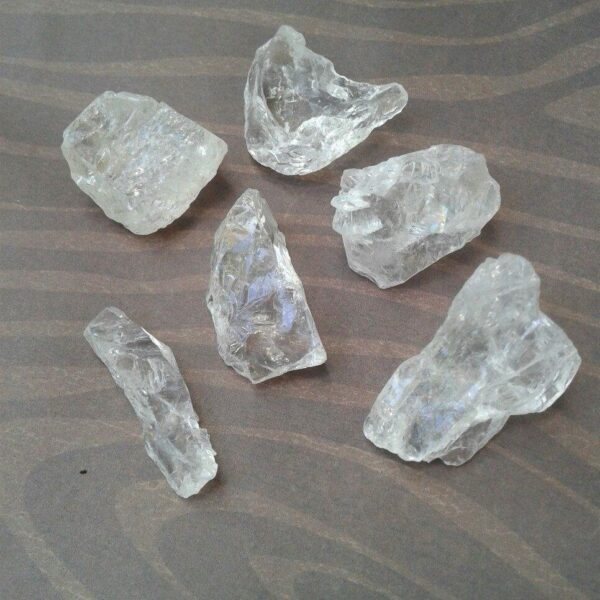
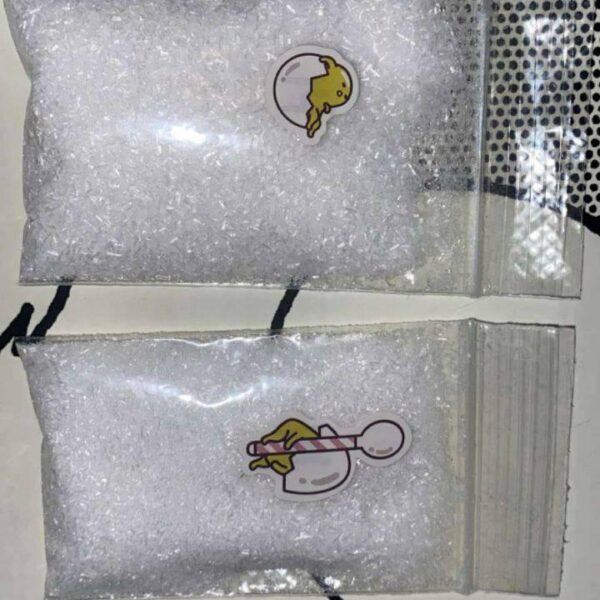
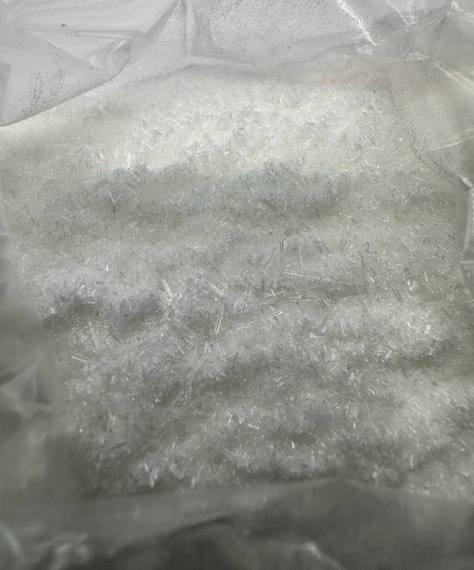
Ketamine crystals refer to the powdered, crystalline form of ketamine, a dissociative anesthetic developed in the 1960s and widely used in medical and veterinary settings for its rapid onset of sedation, pain relief, and amnesia while preserving breathing and airway reflexes. In crystalline form, it’s often the hydrochloride salt, appearing as white or off-white crystals that can be dissolved for injection, nasal use, or other administration. Medically, ketamine is valued for procedural sedation, emergency anesthesia (e.g., in trauma or low-resource settings), and chronic pain management. Its unique mechanism—primarily as an NMDA receptor antagonist—promotes glutamate modulation and neuroplasticity, distinguishing it from traditional anesthetics.
In recent years, ketamine has gained prominence for off-label therapeutic applications in mental health. Low-dose infusions or sub-anesthetic protocols show rapid antidepressant effects, often within hours, benefiting treatment-resistant depression, PTSD, anxiety, suicidal ideation, and other conditions unresponsive to standard therapies. Esketamine (Spravato nasal spray), a related enantiomer, received FDA approval for treatment-resistant depression (with updates in 2025 expanding to monotherapy use), administered under supervised REMS programs. Research continues to explore its potential in addiction, OCD, and wellness enhancement, though full approvals for racemic ketamine remain limited to anesthesia.
Recreational use of ketamine crystals, often snorted or ingested for dissociative “K-hole” experiences (intense detachment, hallucinations, euphoria), carries significant risks: bladder/kidney damage (“ketamine cystitis”) from chronic high-dose use, cognitive impairment, psychological dependence, accidents during dissociation, and overdose potential (respiratory depression at extreme doses). Purity concerns arise in illicit sources, with adulterants or inconsistent dosing heightening dangers.
Ketamine is a Schedule III controlled substance in the United States (DEA classification since 1999, with medical use allowed via prescription; esketamine approved for depression). Similar regulated status applies in the United Kingdom (Class B), Germany (prescription-only, controlled), France, Netherlands (medical access with restrictions), Switzerland (limited research/compassionate use), Canada (Schedule I narcotic, medical exemptions), Australia (Schedule 8 controlled drug), Finland, and Austria (prescription-only). Stricter controls exist in Japan and China (tight bans on non-medical use due to abuse concerns; China has historically pushed for international restrictions). In Dubai (UAE), it’s a controlled narcotic with severe penalties for non-medical possession or trade. No country legalizes recreational use; non-prescription possession or sale is illegal everywhere listed.
Ketamine crystals offer medical promise but require professional supervision to mitigate risks. For those interested in psychedelic or natural wellness alternatives, explore dried mushrooms, microdoses, experienced, and beginner-friendly categories at bigmagicmushroomsusa.com. Additional resources and options are available at onlinepeptidesdelivery.com and WorldScientificImpact.org.