$10.00
Buy Ecstasy MDMA pills: effects, PTSD therapy research, risks, and legal status in United States, United Kingdom, Germany, Japan, China, Canada, France, Netherlands, Switzerland, Australia, Dubai, Finland, Austria. FDA updates and supervised use insights.
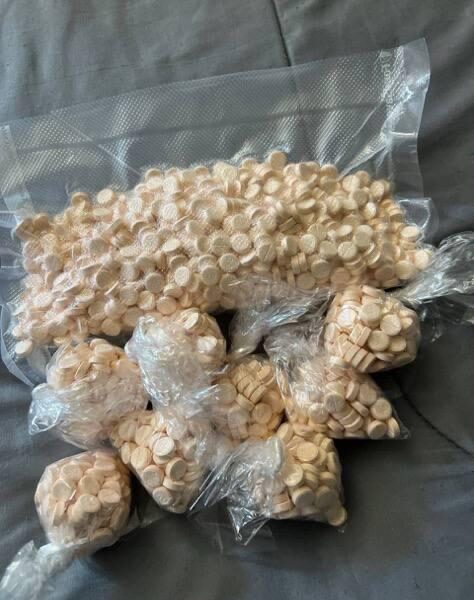
Ecstasy, or MDMA (3,4-methylenedioxymethamphetamine), is a synthetic empathogen-entactogen celebrated for its ability to induce profound feelings of empathy, emotional openness, euphoria, increased energy, and enhanced sensory perception. Users often report heightened sociability, reduced fear and anxiety, and a sense of connectedness, making it popular in social and recreational settings like music festivals and raves since the 1980s. Beyond recreation, MDMA has shown significant promise in clinical research as an adjunct to psychotherapy, particularly for PTSD, where it helps patients revisit traumatic memories with reduced defensiveness, fostering breakthroughs in processing trauma.
Pioneering studies, including Phase 3 trials by organizations like MAPS (now associated with Lykos Therapeutics), demonstrated substantial symptom reductions in severe PTSD cases, with many participants no longer meeting diagnostic criteria post-treatment. MDMA promotes neuroplasticity by modulating serotonin, dopamine, and oxytocin pathways, enhancing therapeutic alliance and emotional insight. However, full FDA approval for MDMA-assisted therapy faced setbacks, with a 2024 Complete Response Letter from the FDA declining approval and requesting additional Phase 3 data due to concerns over trial design, blinding, safety assessments, and durability—issues that prompted calls for more rigorous research rather than outright rejection of the approach.
Risks include potential neurotoxicity with heavy or frequent use, cardiovascular strain (e.g., hyperthermia, hypertension), serotonin syndrome if mixed with certain medications, and adulteration in street products (often containing other synthetics). Long-term effects and abuse potential remain under scrutiny, emphasizing supervised, therapeutic contexts over recreational use.
Legally, MDMA is tightly controlled globally as a Schedule I/Psychotropic Schedule I substance in most jurisdictions. In the United States, it remains Schedule I federally (no accepted medical use, high abuse potential), though some local reforms exist for related psychedelics; FDA rejection in 2024 delayed therapeutic pathways. The United Kingdom (Class A), Germany (Anlage I, scientific use only), France, Japan, China, Finland, Austria, and Dubai (UAE) prohibit non-medical possession, sale, or use with strict penalties. Canada lists it as Schedule I, but British Columbia’s decriminalization exemption for small amounts expired January 31, 2026. Australia uniquely allows prescribed MDMA for PTSD by authorized psychiatrists since 2023 (Schedule 8 for that use). The Netherlands and Switzerland offer elements of decriminalization for personal quantities or compassionate/research access, but production and broad sale stay restricted.
MDMA holds transformative potential but demands respect for its risks and legal boundaries. For exploring natural psychedelic alternatives in wellness, consider dried mushrooms, microdoses, experienced, and beginner-friendly categories at bigmagicmushroomsusa.com. Reliable resources and options await at onlinepeptidesdelivery.com and WorldScientificImpact.org.