$35.00
Buy DMT powder: intense psychedelic effects, emerging research for depression/addiction, risks, and strict legal status in United States, United Kingdom, Germany, Japan, China, Canada, France, Netherlands, Switzerland, Australia, Dubai, Finland, Austria. Focus on research and safety.
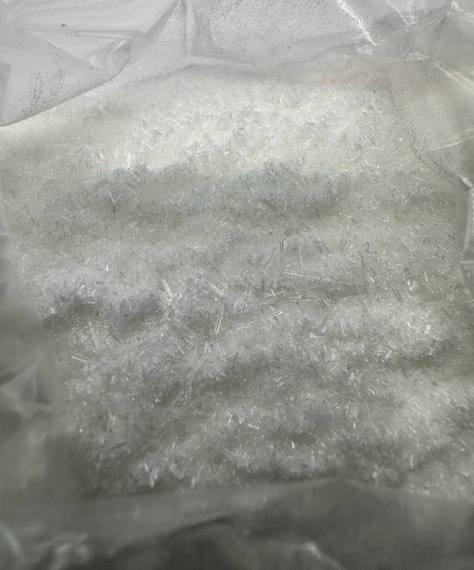
Buy DMT Powder
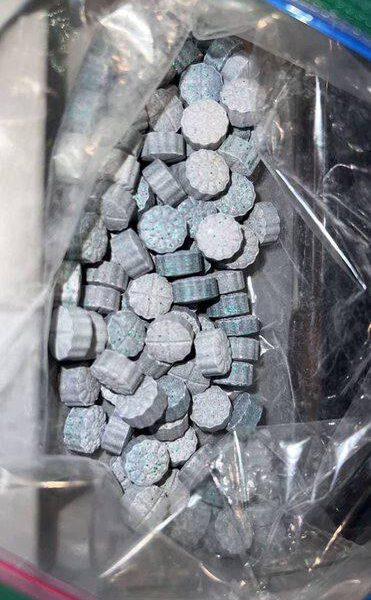
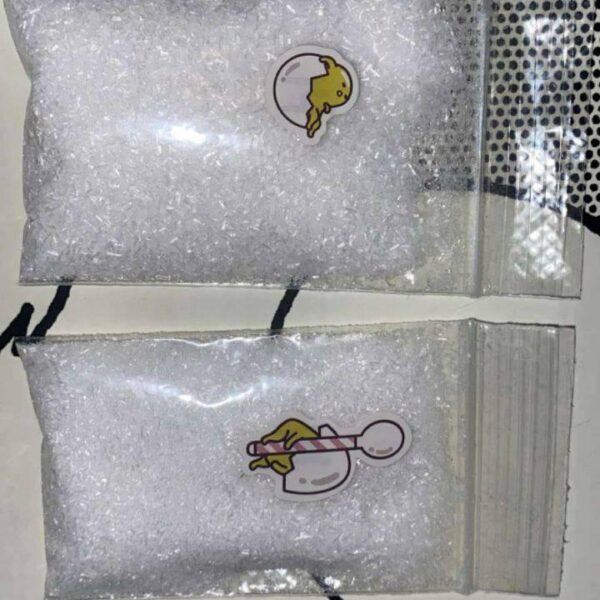
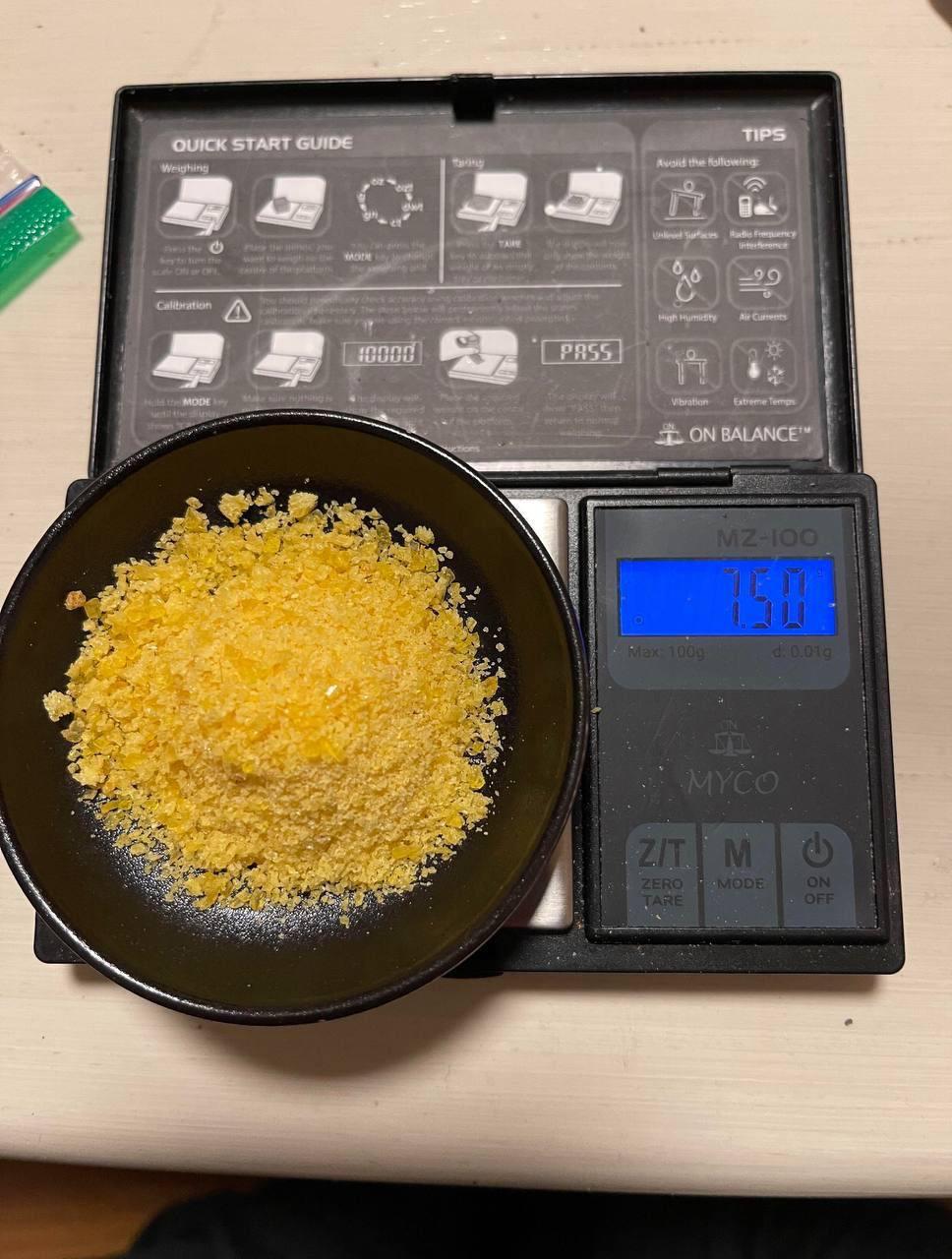
DMT (N,N-Dimethyltryptamine), often referred to as the “spirit molecule,” is a naturally occurring powerful psychedelic tryptamine found in various plants (e.g., Psychotria viridis, Mimosa tenuiflora) and trace amounts in mammals, including humans. In pure crystalline powder form, it’s typically vaporized or smoked for intense, short-duration experiences lasting 5-20 minutes, characterized by vivid visual hallucinations, breakthrough encounters with entities, profound ego dissolution, altered time perception, and mystical or transcendent states often described as entering other dimensions or encountering higher intelligences. These effects arise from DMT’s agonism at serotonin 5-HT2A receptors, rapidly disrupting default mode network activity and promoting hyper-connectivity in the brain.
Historically used in indigenous Amazonian traditions as a key component of ayahuasca brews for spiritual healing and shamanic rituals, DMT has drawn modern interest for its potential therapeutic applications. Emerging research explores its role in treatment-resistant depression, anxiety, addiction, and even neuroprotection post-stroke. Phase 2a trials with vaporized DMT have demonstrated rapid and sustained antidepressant effects in treatment-resistant depression, with significant symptom reductions lasting weeks to months, alongside decreased suicidal ideation. Ongoing studies investigate intravenous or inhaled DMT for alcohol misuse, brain imaging insights into consciousness, and potential in interventional psychiatry due to its brief, intense profile offering efficiency over longer-acting psychedelics.
Risks include overwhelming psychological intensity (“bad trips”), potential for anxiety or paranoia during acute effects, rare physical complications like transient blood pressure increases, and psychological challenges in unprepared users. No physiological dependence develops, but set, setting, and integration are essential for safety. Purity and accurate dosing are critical in non-medical contexts to avoid contaminants or miscalculations.
DMT is classified as a Schedule I controlled substance under international UN conventions and in most jurisdictions, with no accepted medical use federally in many places, though research quotas have increased (e.g., DEA raised U.S. production quota to 25,000 grams for 2026 to support scientific efforts). In the United States, it’s Schedule I federally (high abuse potential, limited to approved research; Colorado may expand plant-based psychedelics including DMT in supervised contexts by 2026). The United Kingdom (Class A), Germany (Anlage I), France, Netherlands (strict despite some psychedelic tolerance), Switzerland (research/compassionate access limited), Canada (Schedule III, with religious exemptions for ayahuasca in some cases but DMT controlled), Australia (Schedule 9 prohibited, no broad medical access for DMT), Japan, China, Finland, Austria, and Dubai (UAE) prohibit non-medical possession, sale, or use with severe penalties. No widespread legalization or decriminalization exists for DMT powder in these countries.
DMT powder represents one of the most profound psychedelics known, with growing research promise but requiring strict legal and safety adherence. For natural psychedelic wellness alternatives, explore dried mushrooms, microdoses, experienced, and beginner-friendly categories at bigmagicmushroomsusa.com. Trusted resources and options are at onlinepeptidesdelivery.com and WorldScientificImpact.org.