$10.00 Original price was: $10.00.$8.00Current price is: $8.00.
Explore ecstasy (MDMA) effects, therapeutic potential for PTSD, and legal status in United States, United Kingdom, Germany, Japan, China, Canada, France, Netherlands, Switzerland, Australia, Dubai, Finland, Austria. Risks, research, and supervised use considerations.
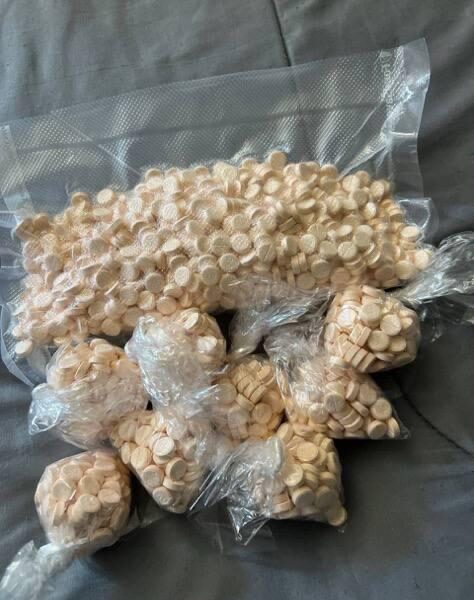
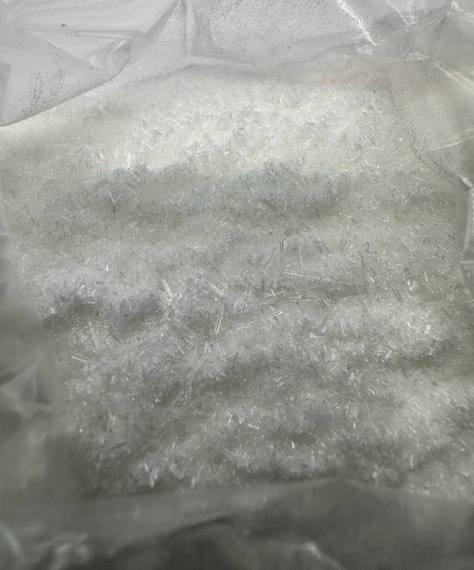
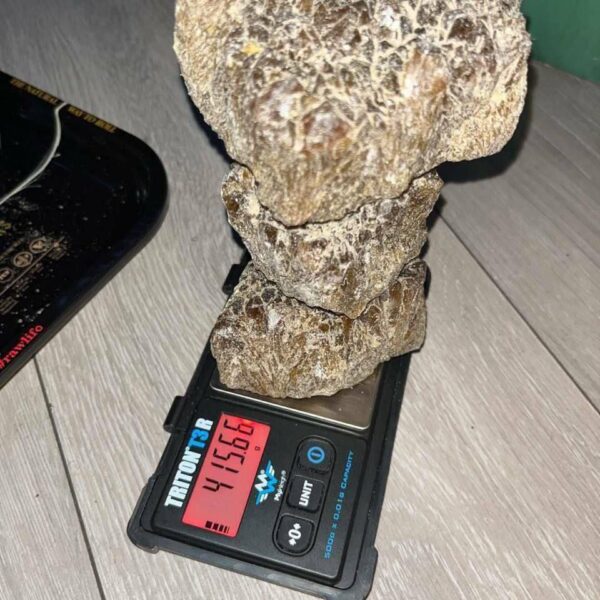
Ecstasy, commonly known as MDMA (3,4-methylenedioxymethamphetamine), is a synthetic psychoactive substance renowned for its empathogenic and euphoric effects. It enhances feelings of emotional closeness, empathy, energy, and sensory perception, often leading to heightened sociability and euphoria during use. Originally explored in therapeutic contexts in the 1970s and 1980s for its potential to facilitate psychotherapy by reducing fear and increasing trust, MDMA has been the subject of extensive research, particularly for PTSD treatment through MDMA-assisted psychotherapy. Clinical trials have shown promising results in helping individuals process trauma, with significant symptom reductions in many participants.
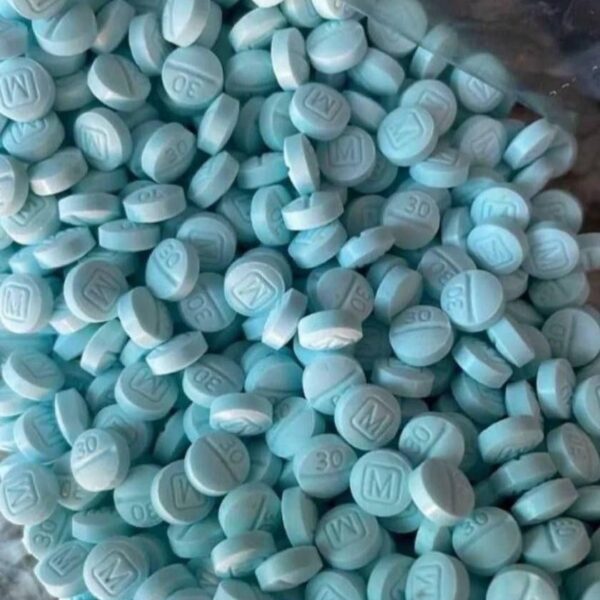
However, ecstasy remains a controlled substance in most jurisdictions due to risks of misuse, potential neurotoxicity with frequent high-dose use, adulteration in street products, and health concerns like hyperthermia, dehydration, and serotonin syndrome. Recreational use often occurs in social settings like parties or raves, but purity varies widely, and tablets may contain other substances.
In the United States, MDMA is classified as a Schedule I substance federally, making non-medical possession, sale, or purchase illegal, though some states and cities have decriminalized small amounts or explored reforms. MDMA-assisted therapy faced setbacks with FDA rejection in 2024, requiring additional trials for potential approval. In the United Kingdom, it’s a Class A drug with strict prohibitions. Germany, France, Japan, China, Dubai (UAE), Finland, and Austria maintain tight controls, treating it as illegal for non-medical purposes with limited or no therapeutic access. Canada has decriminalized small amounts in British Columbia until January 31, 2026, and allows limited medical exemptions. Australia permits prescribed MDMA for PTSD treatment by authorized psychiatrists since 2023. The Netherlands and Switzerland feature decriminalization elements for personal use or compassionate access programs, though production and sale remain restricted.
Ecstasy should only be approached with caution, ideally in controlled, informed contexts. For those interested in psychedelic wellness alternatives, explore options through dried mushrooms, microdoses, experienced, and beginner-friendly categories at bigmagicmushroomsusa.com. Reliable information and resources are available at onlinepeptidesdelivery.com and WorldScientificImpact.org.